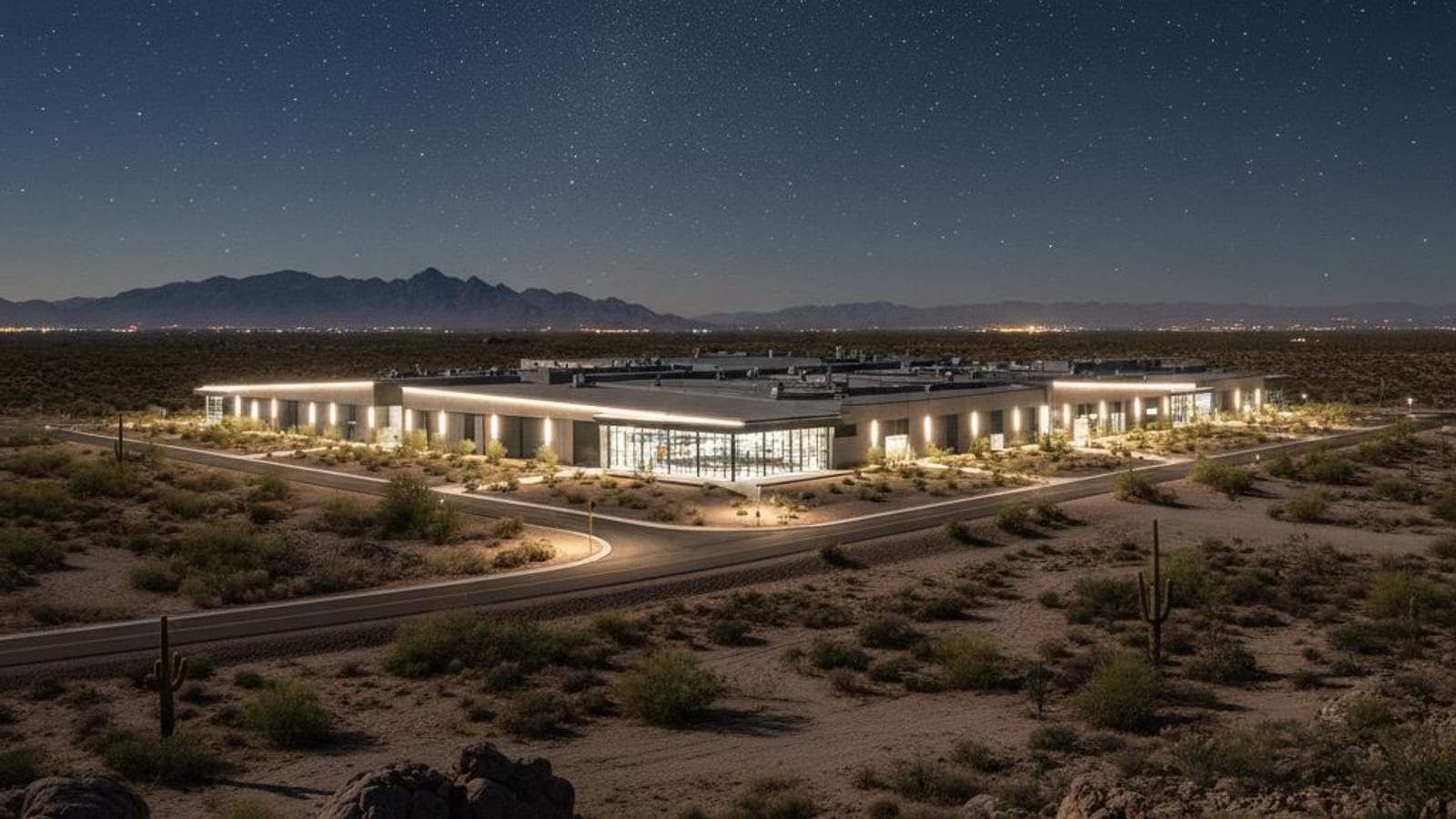
Micron's Expansion Anchors Boise's Tech Boom
Micron Technology's $50 billion expansion to construct the first new U.S. memory manufacturing fab in two decades is creating 2,000 direct high-tech jobs and over 15,000 indirect jobs by 2030, according to Nucamp, a coding education provider tracking Idaho's tech market. Micron is creating 17,000 new jobs by 2030, and Meta is investing $800 million in a new data center, iHeart podcast data shows.
The investment has triggered what industry observers call the "Micron Boom." The so-called "Micron Boom" has created a powerful halo effect, raising wages across the Treasure Valley by an estimated 5-8% annually as other firms compete for talent, Nucamp reported in February 2026.
Tech wages are up 26% over the past decade in Idaho, and the cost of living is about 11% lower than Portland, the coding bootcamp analysis found. The average salary in Idaho is $55,400 in 2026, below the national average of $63,800, according to University Magazine's April 2026 salary survey. In Boise, the median salary reaches $64,065, with 80% of salaries falling between $52,000 and $78,000, Playroll data shows.
Job Market Heats Up Across Tech Roles
Tech job applications from recent college graduates increased 116% between 2021 and 2023, according to job market analysis cited by iHeart and Nucamp. 653 information technology jobs are currently open in Boise, LinkedIn data from June 2026 shows. 108 open jobs for information technology exist in Boise, Glassdoor reported in May 2026.
As of May 21, 2026, the average hourly pay for information technology in Boise is $21.57, according to ZipRecruiter salary data, with most workers earning between $16.49 and $22.40 per hour. High-demand roles such as DevOps engineers are particularly sought after, with salaries ranging from $157,000 to $210,000, the iHeart analysis found.
Idaho has seen a 28.89% increase in software developer jobs and a 56.54% surge in "other computer occupations," particularly those in network architecture and infrastructure critical to new manufacturing and data centers, according to Idaho Technology Council data cited by Nucamp.
Machine Learning Engineers hit average salaries of $165,999, while Cloud Architects earn over $200,000, Nucamp's February 2025 salary research found. Entry-level cybersecurity positions start around $114,085, with top performers earning up to $164,178 annually, the bootcamp reported.
Major Employers Beyond Micron
Boise's tech ecosystem extends beyond semiconductors. Micron Technology Inc., which started in 1978, is a semiconductor technology company in Ada County with more than 10,000 employees, Indeed reported. Companies like Micron Technology, HP Inc., and Clearwater Analytics have a significant presence in what some call the "Silicon Prairie," according to a February 2025 analysis by UNITS Storage.
Intuit is consistently ranked among the area's highest-paying employers for software engineering talent, according to Levels.fyi data cited by Nucamp in February 2026. Compensation for senior roles at Intuit typically breaks down to approximately 65% base salary, 10-15% annual bonus, and 20-25% in RSUs, the analysis found.
ServiceNow is a technology company that uses cloud-based platforms and solutions to optimize digital workflows, serving various Fortune 500 companies, Indeed reported. Forsta offers services ranging from local listing management to customer experience optimization, producing software that focuses on acquiring customer testimonials, collecting analytics and conducting market research, the job site noted.
The tech industry contributes $7 billion to the local economy and is home to over 3,800 tech businesses, iHeart data shows.
Workforce Development Responds to Demand
Educational initiatives like the Idaho LAUNCH program support workforce growth in tech sectors, the iHeart podcast reported. Idaho LAUNCH is a grant that supports Idaho students pursuing high-demand careers, with students enrolling under the 2026–27 Academic Catalog eligible for up to $4,000 per year or $8,000 total in scholarship funding, according to the University of Idaho.
The Semiconductor for All (S4A) Grant launched in July 2023 with initial funding from the Idaho Workforce Development Council of $5 million, which Boise State University matched for a total of $10 million, the Idaho Technology Council reported. The purpose of this grant is to grow an enduring semiconductor workforce in Idaho and the region by inviting and retaining a broad student pool, the council said.
Boise State University has over 688 students in computer science programs alone, and their new $100 million science building project shows they're serious about growth, Nucamp reported in February 2025. Boise State has worked closely with local businesses to produce qualified, prepared employees, even partnering with Micron for on-site classes and pioneering a "new model" with the Micron School of Material Science and Engineering, according to We Know Boise.
"Idaho's technology sector faces a persistent and growing talent gap, particularly in AI literacy and responsible technology use," said Diane Temple, President and CEO of the Idaho Technology Council. "This legislation establishes the foundational building blocks of the workforce pipeline our industry depends upon." Temple was commenting on Senate Bill 1227, signed by Gov. Brad Little in April 2026.
Cost of Living Pressures Emerge
Rapid growth has pushed the average home listing price in the metro area to approximately $819,700 in 2025, Nucamp reported. Median home prices jumped from $300,000 in 2019 to $524,000 in summer 2022, the bootcamp's February 2025 analysis found.
Median home prices in the Boise metro have risen by over 60 percent since 2020, driven by population growth, remote-worker migration, and sustained low inventory, with a detached home in a desirable Boise neighbourhood now averaging $420,000 to $600,000, University Magazine reported in April 2026.
Tech workers and families are increasingly looking to master-planned communities in Meridian, Nampa, and Caldwell for more accessible housing while remaining within commute distance of Boise's core employers like Micron Technology, Nucamp noted.
The city needs 2,770 new housing units annually to meet demand, according to job market data cited by iHeart and Nucamp.
Economic Growth Outpaces National Rate
As of February 2025, the Boise City Metropolitan Statistical Area has a workforce of approximately 372,470 people, with a median annual income of $45,320, iHeart reported. The area added 9,400 jobs in 2024, reflecting a 2.3% annual increase in nonfarm payroll employment, outpacing the national growth rate of 1.3%, the podcast data showed.
The unemployment rate was 3.7% as of February 2025, a decrease from the previous month, according to the analysis. Boise consistently enjoys a low unemployment rate, typically lower than the overall national average, UNITS Storage reported.
Nearly 50,000 people are employed in the technology industry in Idaho, and with a projected 10-year growth rate of 13.7%, that number is only the beginning, We Know Boise reported.
Idaho's population growth shows that 78% comes from domestic migration, with lots of talent flowing in from California, Washington, and Utah, Nucamp noted in its February 2025 analysis.
What's Next for Boise Tech
Boise's job market is growing way faster than anyone predicted, with a projected 23% boost over the next five years, Nucamp reported in February 2025. The technology sector, especially semiconductor manufacturing and software services, is growing at an impressive rate, driven by companies like Micron Technology, according to Home Found Boise in September 2025.
Boise's transformation into a tech hub is attracting young professionals and talent from other states due to its lower living costs and outdoor recreational opportunities, the iHeart analysis found.
The city's strong community and immediate access to outdoor activities further enhance its appeal for those seeking a holistic lifestyle in the growing Treasure Valley tech scene, Nucamp concluded.